
Periodontal Disease Diagnosis in Paterson, NJ
Periodontal disease diagnosis helps your dentist find out how healthy your gums are and how strong the supporting bone is. During periodontal disease diagnosis in Paterson, your dentist measures the spaces between teeth and gums, checks for bleeding, and reviews X-rays. This exam helps catch gum disease early and plan care before pain, infection, or tooth loss occurs.
Early Gum Changes You Should Not Ignore
Healthy gums are usually firm and do not bleed easily. If you see redness, puffiness, bleeding when you brush, or bad breath that will not go away, it may be time to ask about dentist near you. Here, mouth breathing can irritate the gums.
When you should see a dentist for your gums
- Bleeding when brushing most days
- Gums that look swollen or seem to be receding
What Happens During a Periodontal Evaluation
During your visit, your dentist in Paterson reviews your medical history and habits such as smoking or grinding. A small measuring probe is gently placed around each tooth to record pocket depths and sites that bleed. X-rays may be taken to see bone levels, and your dentist explains the results in plain language so you know which areas are healthy, at risk, or already affected.
Planning Treatment After Your Diagnosis
After your measurements and X-rays are reviewed, your dentist explains whether you have gingivitis, early periodontal disease, or more advanced bone loss. Mild cases may be managed with improved home care and more frequent cleanings. Deeper pockets or loose teeth can require scaling and root planing or referral to a gum specialist. You receive home care tips and a follow-up schedule to monitor healing.
FAQs
Most of the exam uses gentle probing and X-rays, so you may feel light pressure along the gums but not sharp pain.
Because each tooth is measured, the evaluation adds time to a routine visit, but many patients still complete the exam, any needed X-rays, and a discussion of results in one appointment.
Your dentist outlines a treatment plan, which may include deeper cleanings or specialist care, along with home care guidance and a schedule for follow-up visits.
Make Your Gum Health a Priority
Schedule a periodontal disease diagnosis with Simple Smiles Dentistry today to check your gums carefully, understand your pocket and bone readings, and start a plan that supports healthier gums, fresher breath, and more stable teeth over the long term.
Author's Bio:
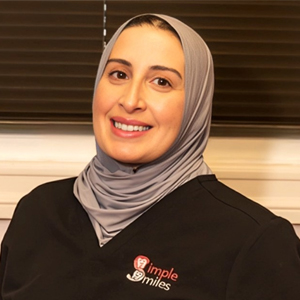
As a trusted general dentist in Paterson, Dr. Abbassi offers a full range of dental services tailored to individual needs. She combines modern techniques with compassionate care to ensure a comfortable experience. Her goal is to build lasting relationships while delivering consistent, high-quality dental care.


